
What Is a Battery Energy Storage System (BESS)?
September 28, 2026
How Solar Energy Storage Works
October 3, 2026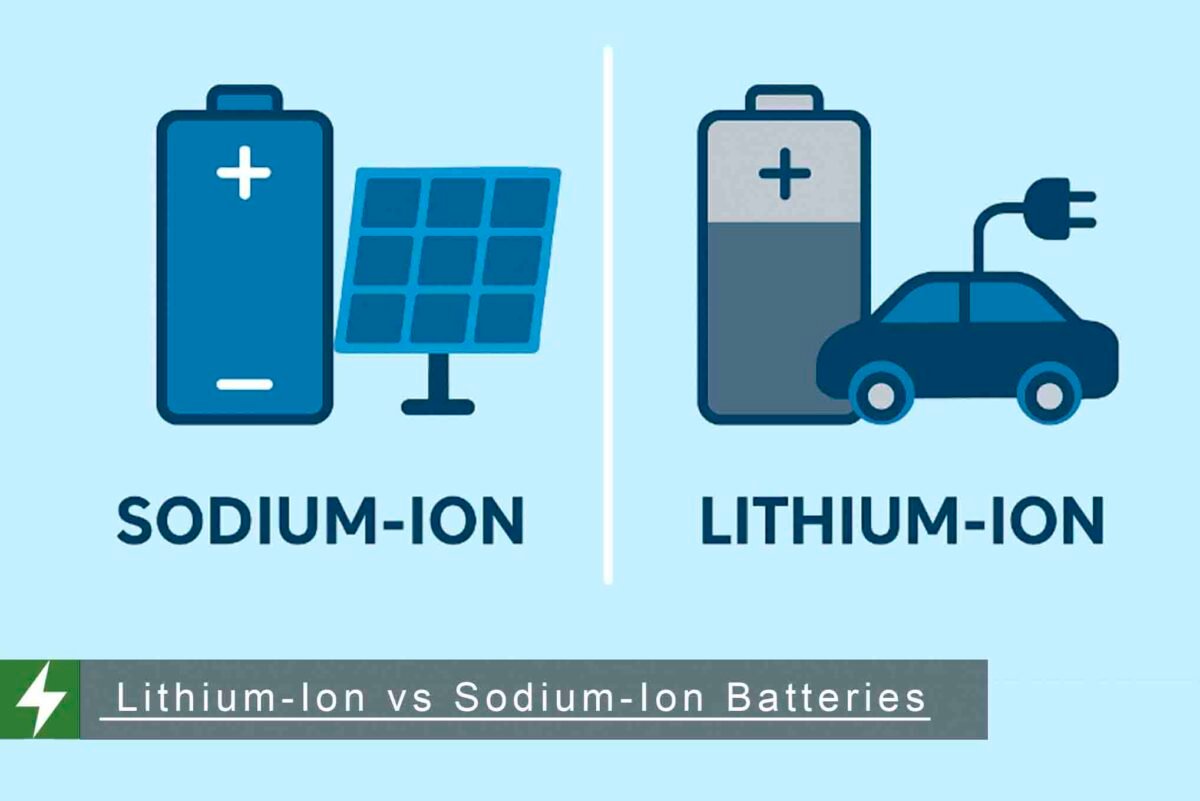
The global energy industry is rapidly evolving as businesses, industries, and governments look for better ways to store electricity and support renewable energy. Batteries are at the centre of this transformation, powering electric vehicles, solar energy storage systems, industrial equipment, and modern electrical infrastructure.
Among the technologies attracting significant attention are lithium-ion and sodium-ion batteries. Both use rechargeable electrochemical processes, but they differ in materials, energy density, cost considerations, and potential applications.
At 108ENERGY, a brand of 108 Elements Research Pvt. Ltd., we recognize the importance of understanding these technologies when evaluating future energy storage solutions.
What Are Lithium-Ion Batteries?
Lithium-ion batteries are rechargeable batteries that store and release energy through the movement of lithium ions between electrodes. They are widely used in electric vehicles, portable electronics, industrial applications, and Battery Energy Storage Systems (BESS).
Their established manufacturing ecosystem, relatively high energy density, and broad commercial availability have made them a leading battery technology across many industries.
Depending on the chemistry, lithium-ion batteries can offer different combinations of energy density, cycle life, power capability, and thermal characteristics.
What Are Sodium-Ion Batteries?
Sodium-ion batteries operate on a similar principle but use sodium ions instead of lithium ions. Sodium is widely available in nature, creating opportunities to diversify the materials used in battery production.
The technology is attracting interest for applications where material availability, cost, and stationary energy storage requirements are important considerations.
However, sodium-ion batteries generally have lower energy density than many established lithium-ion alternatives. Their commercial competitiveness depends on cell chemistry, manufacturing scale, product availability, and application requirements.
Key Differences Between Lithium-Ion and Sodium-Ion Batteries
1. Raw Material Availability
Sodium is abundant and widely distributed, while lithium supply depends on mining, extraction, processing, and global supply chains. Nevertheless, the total cost of either battery depends on more than the primary element, including electrode materials, manufacturing, and system integration.
2. Energy Density
Many lithium-ion chemistries offer higher energy density, making them attractive for applications where weight and space are important, such as electric passenger vehicles and portable devices.
Sodium-ion batteries may be better suited to selected applications where physical size and weight are less restrictive.
3. Cost Considerations
Sodium-ion technology may offer cost advantages in certain applications because of its potential material-sourcing benefits. However, actual costs depend on production volumes, manufacturing efficiency, cell performance, and the complete battery system.
4. Applications
Lithium-ion batteries are widely deployed across electric mobility and stationary storage. Sodium-ion batteries are emerging as another option, particularly for applications where their performance characteristics and economics are suitable.
5. Sustainability
Both technologies require responsible sourcing, efficient manufacturing, and appropriate end-of-life management. Their overall environmental impacts depend on the full lifecycle, including material processing, transportation, service life, and recycling.
Which Battery Technology Is Better for Solar Energy Storage?
Battery selection for solar installations depends on energy demand, required storage duration, operating temperature, system efficiency, budget, and expected service life.
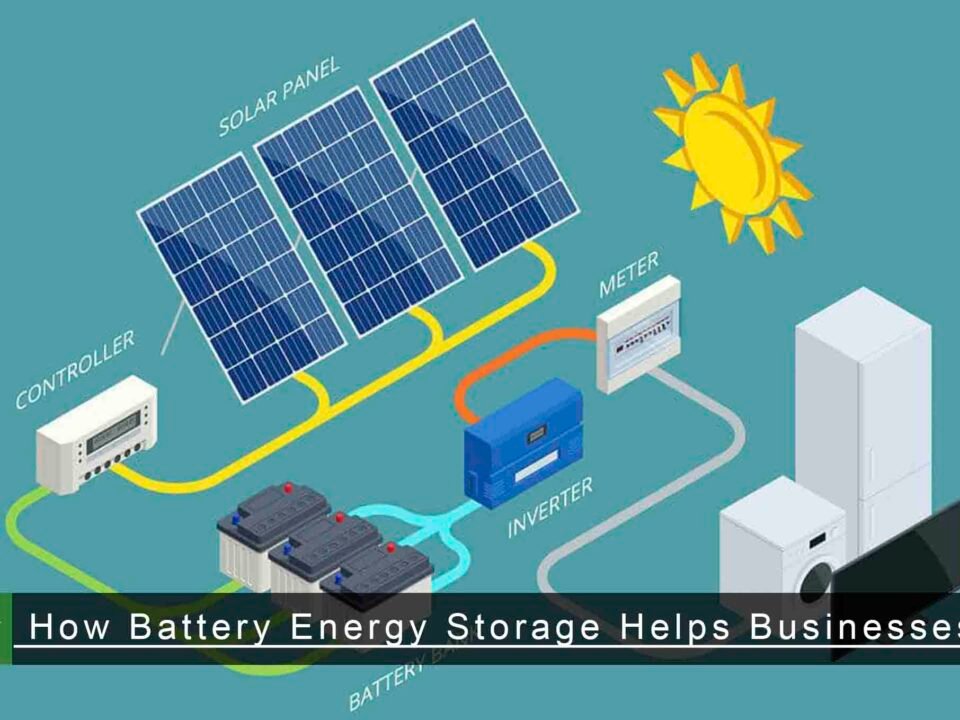
Lithium-ion batteries, particularly lithium iron phosphate (LFP), are widely used in solar-plus-storage systems because of their established supply chains and performance characteristics.
Sodium-ion batteries may become suitable alternatives for selected stationary storage projects as commercial products and manufacturing capabilities develop.
The best option is the technology that meets the project’s technical requirements and delivers appropriate lifecycle value.
The Role of Battery Storage in India’s Energy Future
India’s growing renewable energy sector creates an increasing need for flexible electricity storage. Solar and wind generation can vary throughout the day, while electricity demand changes according to industrial activity, weather, and consumer usage.
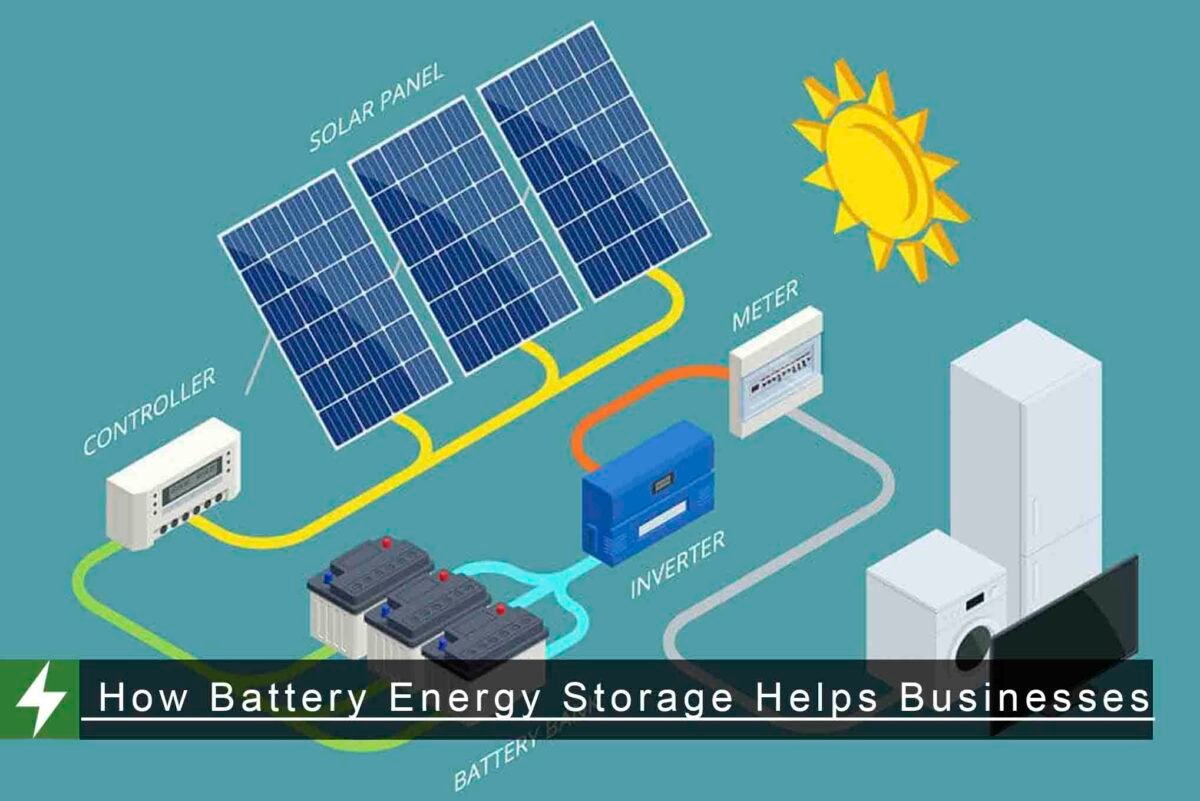
Battery Energy Storage Systems can help store electricity when it is available and supply it when required. Depending on the design, they can support renewable energy integration, peak demand management, selected backup loads, and grid flexibility.
As battery technologies advance, a combination of lithium-ion, sodium-ion, and other storage technologies may serve different segments of India’s energy ecosystem.
How 108ENERGY Views the Future of Battery Technology
108ENERGY, a brand of 108Energy, focuses on the evolving energy landscape, including solar energy, battery storage, lithium-ion technology, sodium-ion developments, EV charging infrastructure, and intelligent energy management.
Our vision is to explore emerging technologies and understand how they can address practical energy requirements across residential, commercial, industrial, and infrastructure applications.
We believe that the future of energy storage will depend on selecting appropriate technologies for specific purposes, with careful attention to performance, safety, cost, and sustainability.