How Battery Energy Storage Helps Businesses Manage Electricity Costs
October 27, 2026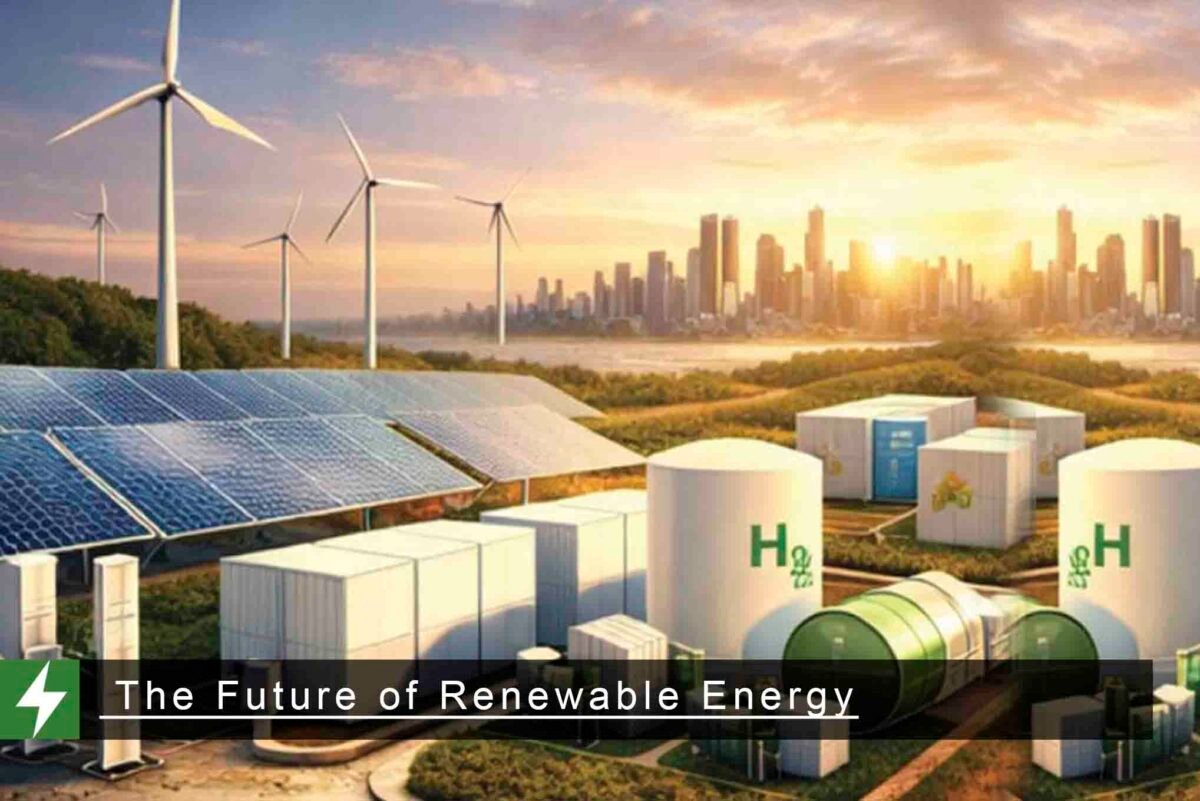
India’s energy transition involves more than generating electricity from renewable sources. It also requires better ways to store energy, manage demand, connect distributed resources, and supply electricity when and where it is needed.
Solar power, battery storage, electric mobility, and digital energy management are important parts of this evolving energy ecosystem.
Solar Energy: Expanding Clean Power
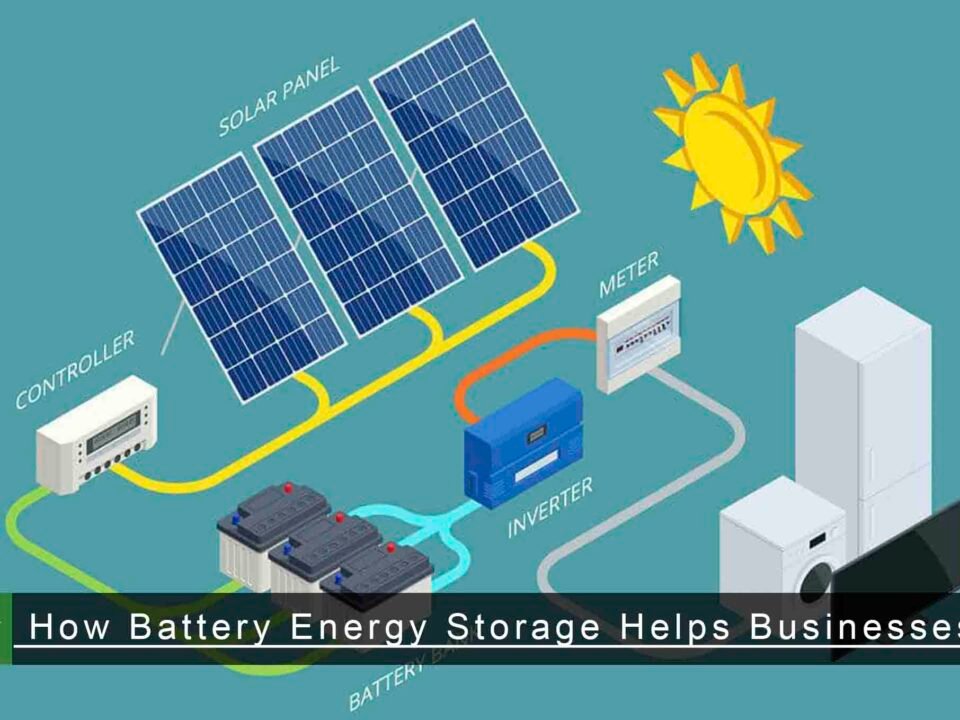
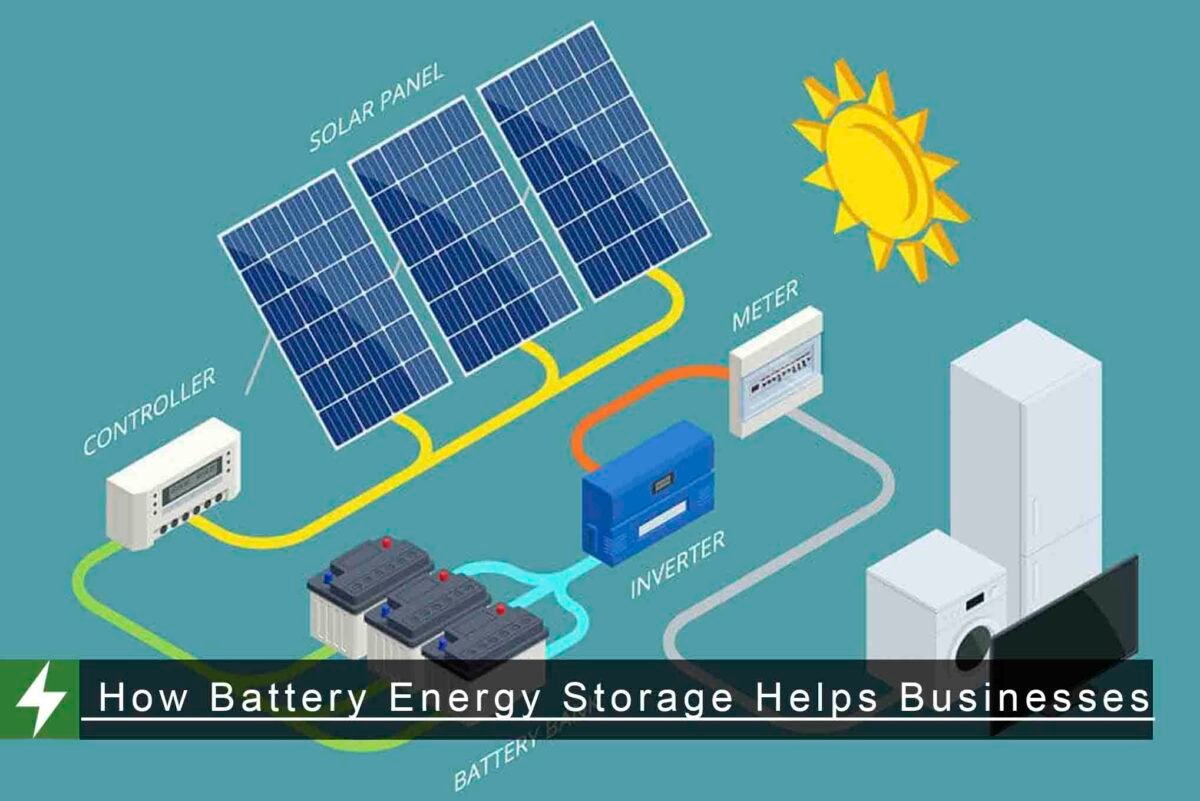
Solar technology enables homes, businesses, industries, and utility-scale projects to generate electricity from sunlight. Rooftop installations can make use of available building space, while large solar parks can supply power at a much greater scale.
Project success depends on site conditions, equipment selection, installation quality, grid connectivity, and long-term maintenance.
Battery Storage: Supporting Reliable Energy
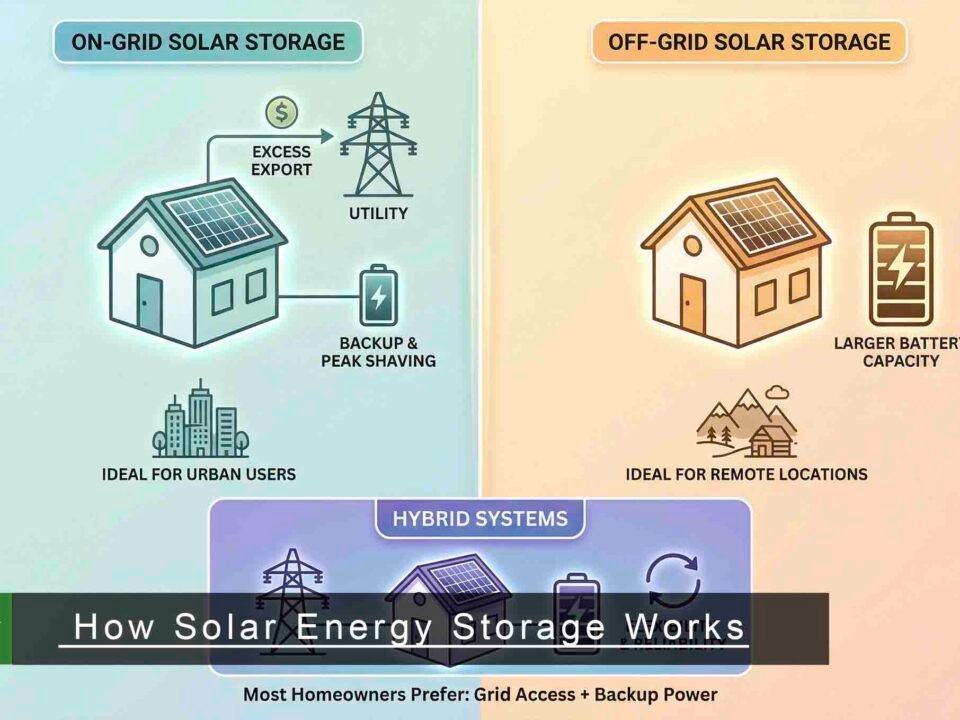
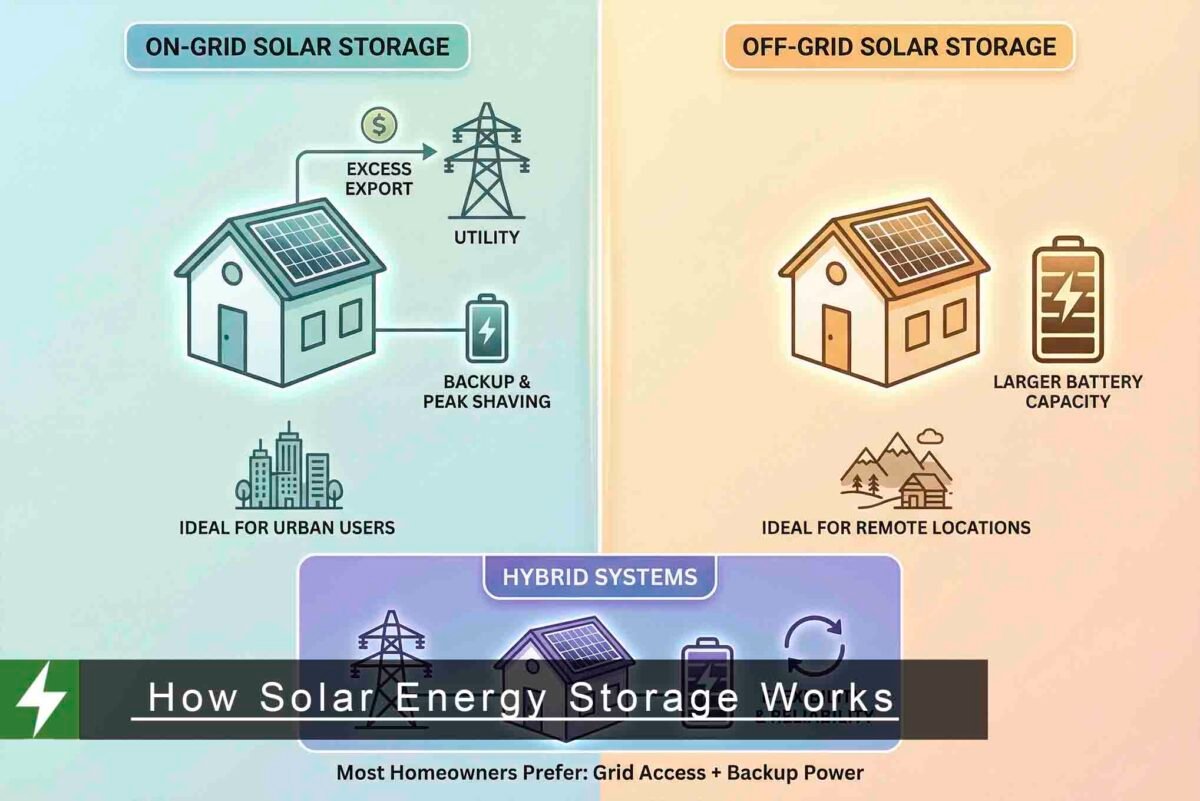
Renewable generation varies with weather and time of day. Battery Energy Storage Systems can store electricity and release it when needed, helping align generation with consumption.
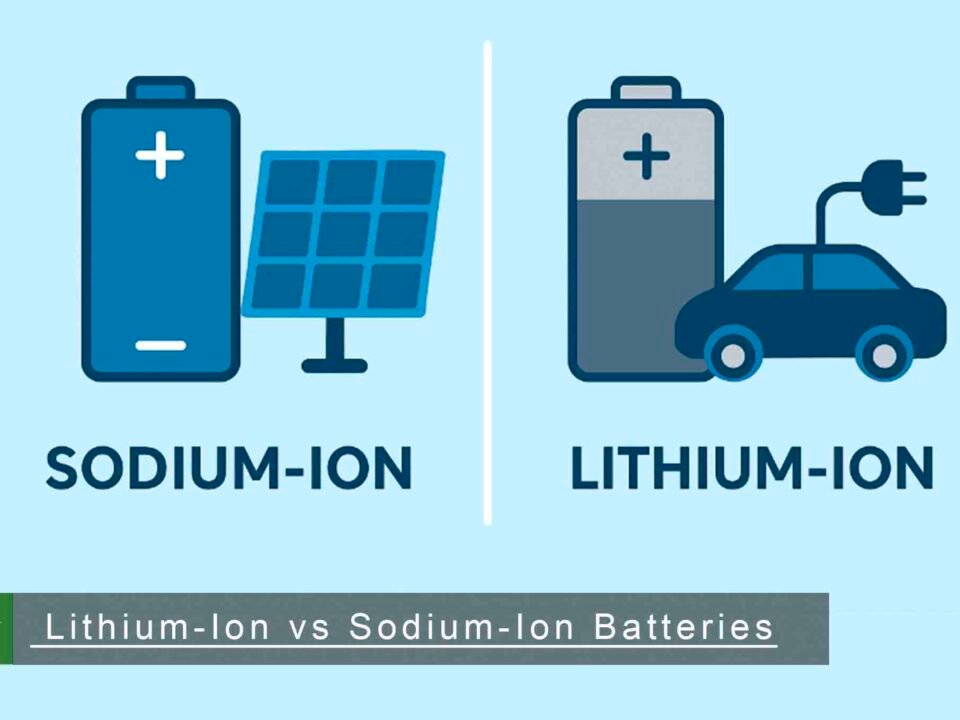
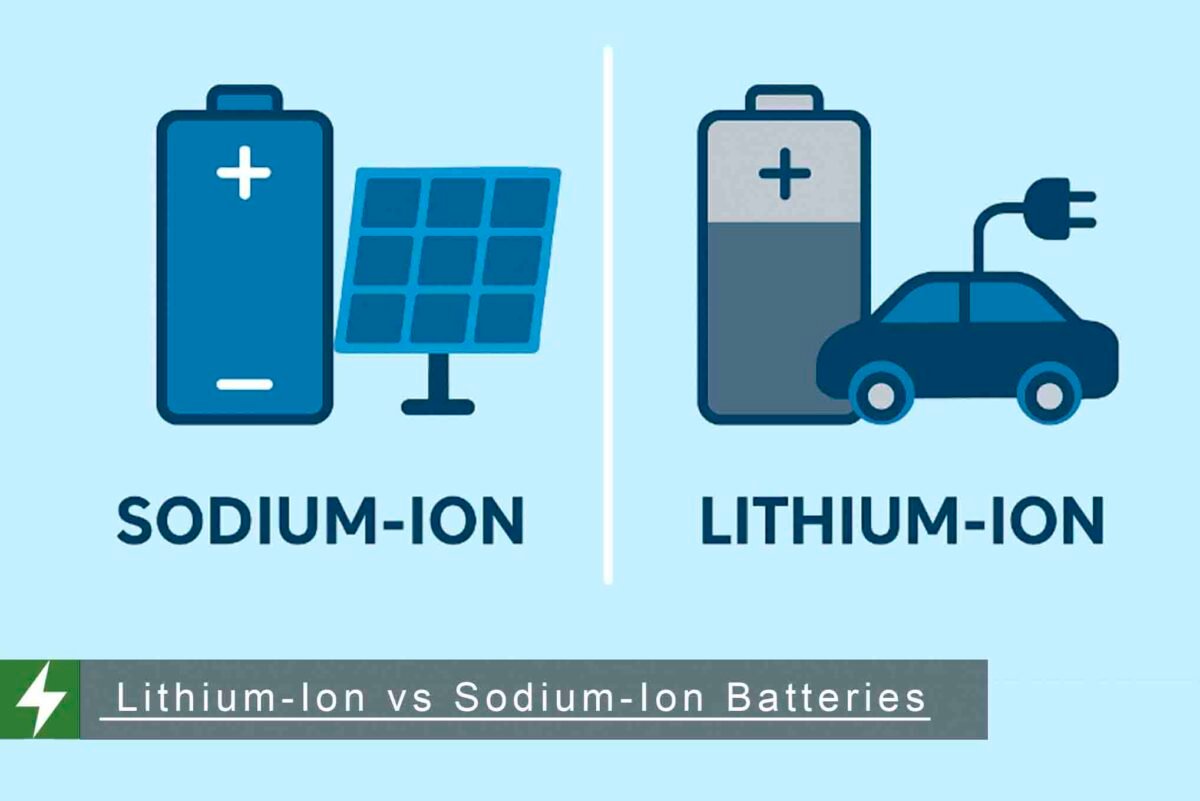
Lithium-ion batteries are widely used in many present-day applications. Other technologies, including sodium-ion batteries, are being developed and commercialised for selected uses. Their suitability depends on cost, performance, safety, operating conditions, and application requirements.
Sodium-Ion Batteries: An Emerging Technology
Sodium-ion batteries use sodium-based charge carriers instead of lithium. Sodium is widely available, making this chemistry an area of interest for future energy storage.
Potential applications include stationary storage and selected mobility uses. However, performance differs by cell design, and sodium-ion batteries do not automatically outperform lithium-ion batteries. Commercial availability, energy density, lifetime, and total system cost must be evaluated for each application.
EV Charging and the Changing Transport Sector
Electric mobility is creating demand for accessible and dependable charging networks. Charging stations can be installed at homes, offices, commercial locations, fleet depots, and public facilities.
Integrating charging infrastructure with renewable energy and battery storage may offer additional energy-management options, subject to site conditions and economic feasibility.
Smart Energy Management with AI and IoT
Digital technologies can help monitor electricity use, identify unusual consumption patterns, track equipment performance, and coordinate energy resources.
Internet of Things (IoT) devices can collect operational data, while analytics and artificial intelligence may support forecasting, maintenance planning, and energy optimisation. The benefits depend on data quality, cybersecurity, system integration, and implementation.
Challenges and Opportunities
India’s renewable energy ecosystem must address several challenges, including grid integration, storage costs, land availability, equipment quality, recycling, financing, and skilled workforce development.
Careful project planning and responsible technology selection are essential to building systems that are reliable, safe, and commercially viable.
108ENERGY and the Clean Energy Transition
108ENERGY, the green-energy brand of 108 Elements Research Pvt. Ltd., is focused on exploring energy solutions across solar power, battery energy storage, lithium-ion and emerging sodium-ion technologies, EV charging infrastructure, and intelligent energy management.
Our vision is to support the development of practical energy solutions that connect renewable generation, storage, and consumption.