How Solar Energy Storage Works
October 3, 2026
How Battery Energy Storage Helps Businesses Manage Electricity Costs
October 27, 2026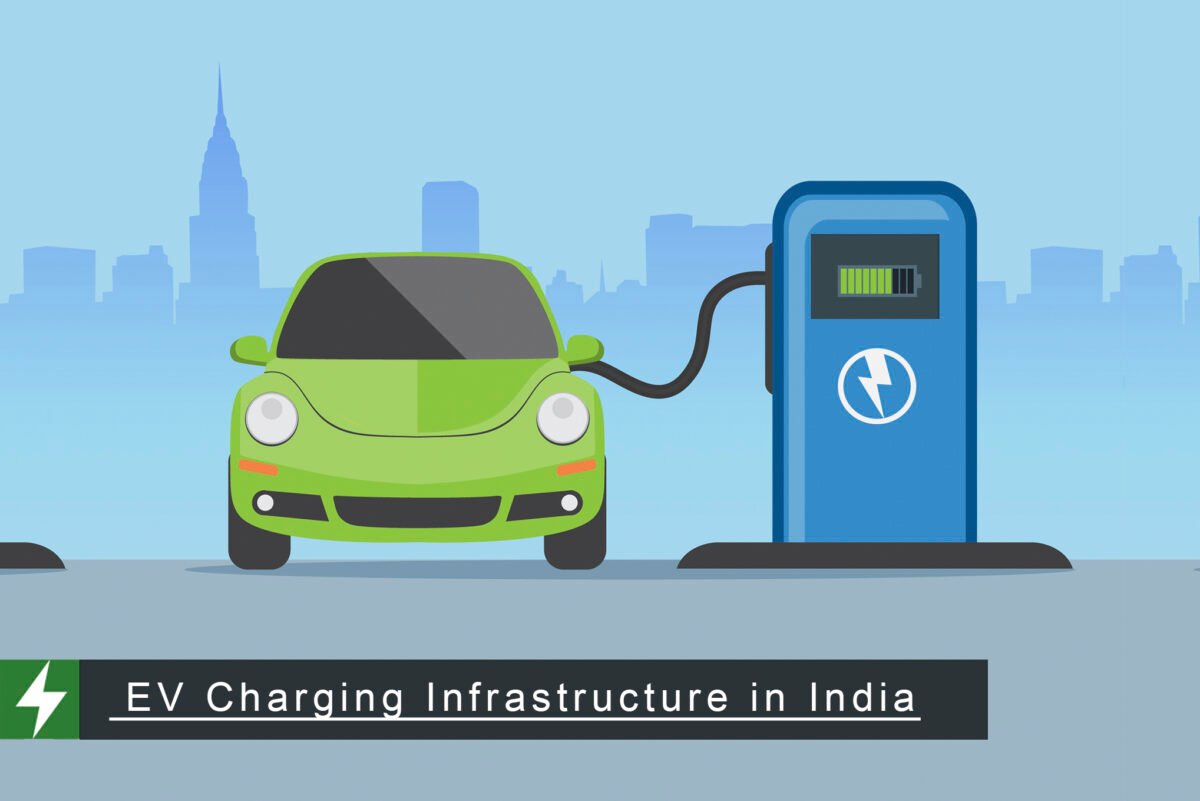
EV Charging Infrastructure in India: Opportunities and the Road Ahead
Electric vehicles are becoming an important part of the transition towards cleaner transportation. As electric cars, two-wheelers, three-wheelers, and commercial vehicles gain adoption, reliable charging infrastructure is essential to support their growth.
What Is EV Charging Infrastructure?
EV charging infrastructure includes the equipment, electrical systems, software, and supporting services required to charge electric vehicles safely and efficiently.
A charging installation may include charging units, electrical panels, cables, protection systems, communication networks, payment facilities, and monitoring software. Depending on the project, it may also incorporate solar power and battery energy storage.
Types of EV Charging Solutions
AC charging: Commonly used for homes, workplaces, residential communities, and locations where vehicles remain parked for several hours.
DC fast charging: Designed to deliver higher charging power and reduce charging time. It may be suitable for highway facilities, commercial charging hubs, fleet depots, and selected public locations.
The right solution depends on vehicle compatibility, charging demand, available electrical capacity, operating hours, and project economics.
Where Is EV Charging Infrastructure Needed?
Potential locations include residential buildings, offices, shopping centres, hotels, highways, parking facilities, logistics hubs, bus depots, fleet operators, and commercial vehicle facilities.
Businesses can assess charging infrastructure as a standalone service or as part of a broader energy management strategy.
Combining EV Charging with Solar and Battery Storage
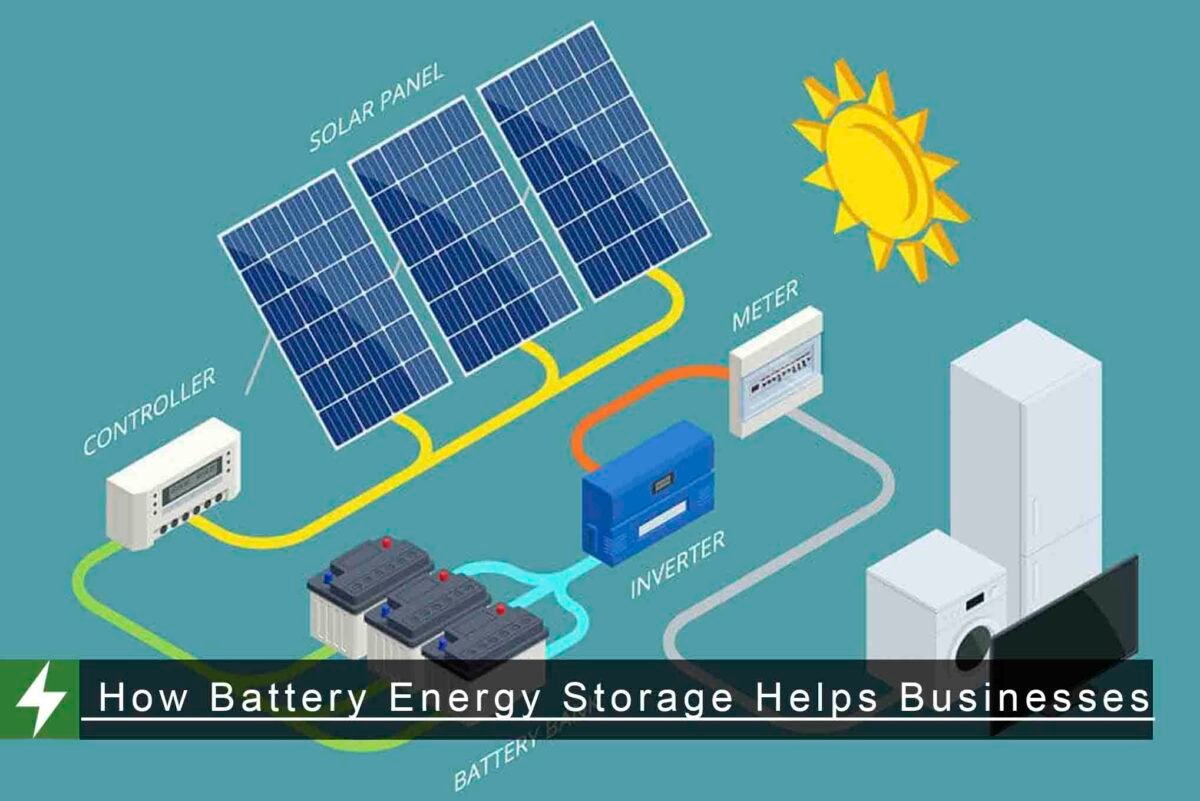
Solar-powered EV charging can help utilise renewable electricity where suitable space and solar resources are available. Battery energy storage can help manage charging demand, support selected peak-load requirements, and potentially reduce the need for immediate grid-capacity upgrades.
These benefits depend on system design, electricity tariffs, usage patterns, and the local grid connection.
Key Factors Before Setting Up a Charging Station
Before investing, project developers should evaluate:
- Expected daily vehicle traffic and charging demand.
- AC or DC charger selection and connector compatibility.
- Available sanctioned electrical load and grid connection.
- Site access, parking layout, and safety requirements.
- Capital costs, operating expenses, and utilisation assumptions.
- Applicable electrical, building, and regulatory requirements.
- Software, payment, maintenance, and customer-support arrangements.
A feasibility study helps determine whether a proposed site can support a commercially sustainable charging operation.
The Road Ahead
India’s EV charging ecosystem creates opportunities across electrical infrastructure, charger deployment, software, renewable energy integration, and energy storage. Successful projects will require reliable equipment, thoughtful site selection, and effective operation and maintenance.
108ENERGY aims to explore integrated energy solutions that connect EV charging, solar power, and battery storage for residential, commercial, and industrial applications.