Lithium-Ion vs Sodium-Ion Batteries: Which Is Better for the Future of Energy Storage?
October 3, 2026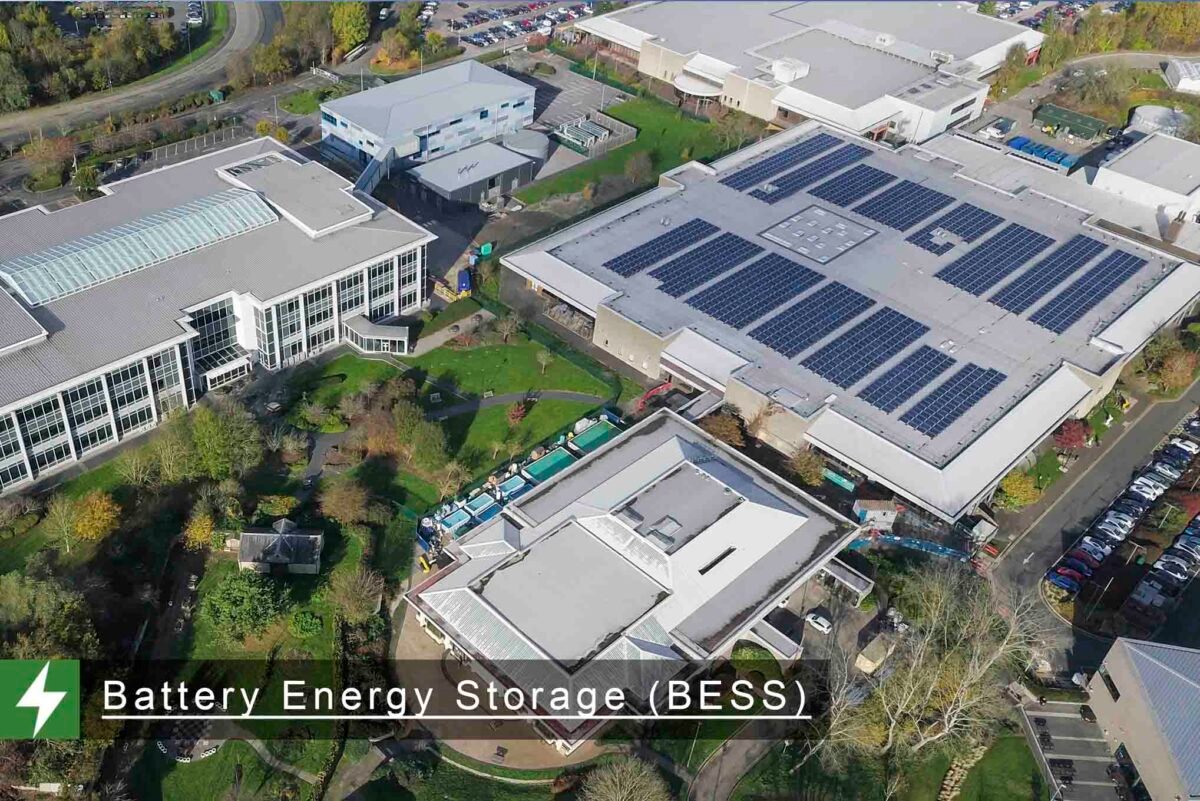
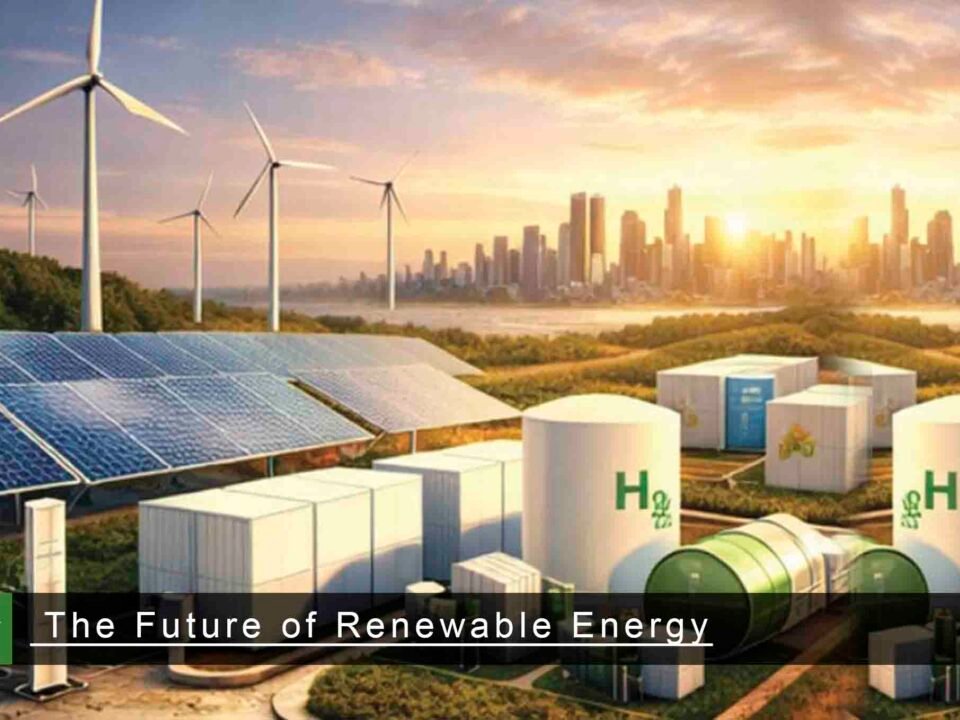
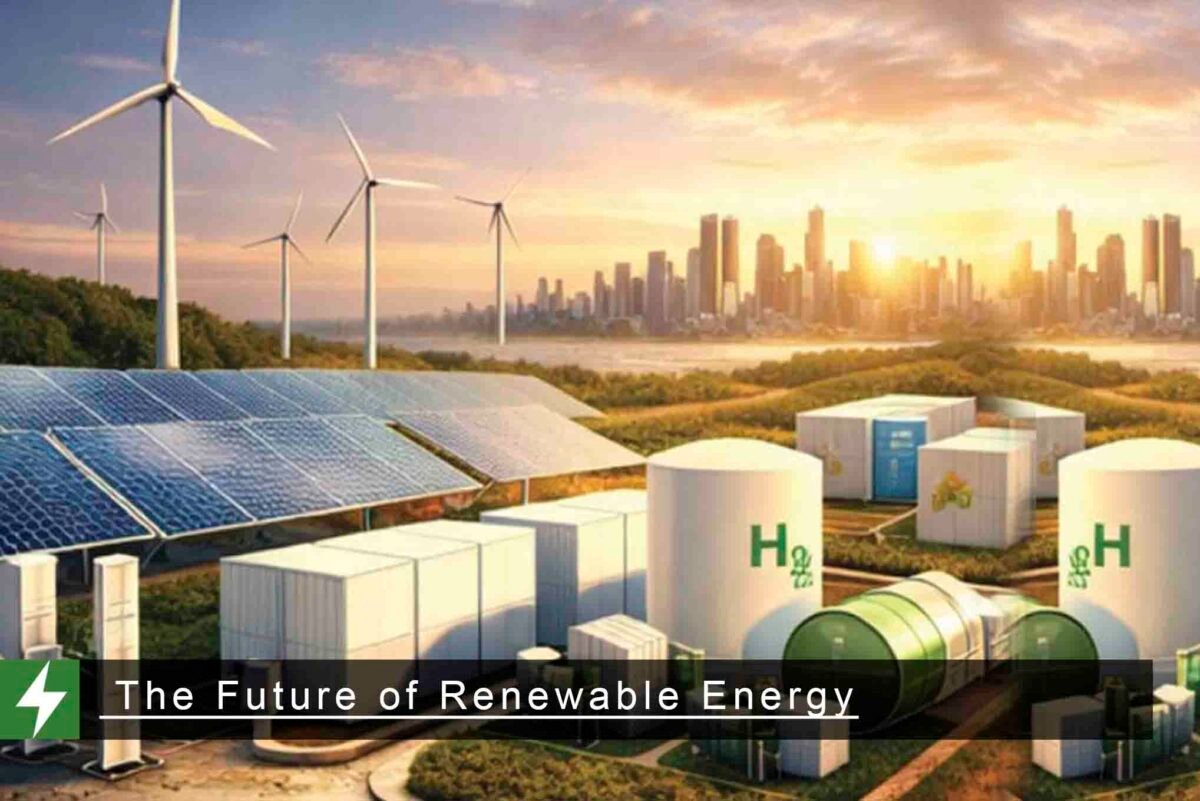
As the world moves towards renewable energy and smarter electricity management, energy storage is becoming an essential part of modern power infrastructure. Solar and wind power provide cleaner alternatives to conventional electricity generation, but their output can fluctuate depending on weather conditions and the time of day. This creates a need for reliable solutions that can store electricity and make it available when required.
A Battery Energy Storage System (BESS) is a technology that stores electrical energy in rechargeable batteries and releases it when needed. It can work alongside solar power plants, commercial buildings, industrial facilities, electric vehicle charging stations, and electricity grids.
At 108ENERGY, we recognize battery energy storage as an important part of the evolving renewable energy ecosystem. Understanding BESS technology helps businesses and project developers evaluate opportunities to improve energy management, integrate renewable power, and build more flexible electricity systems.
What Is a Battery Energy Storage System?
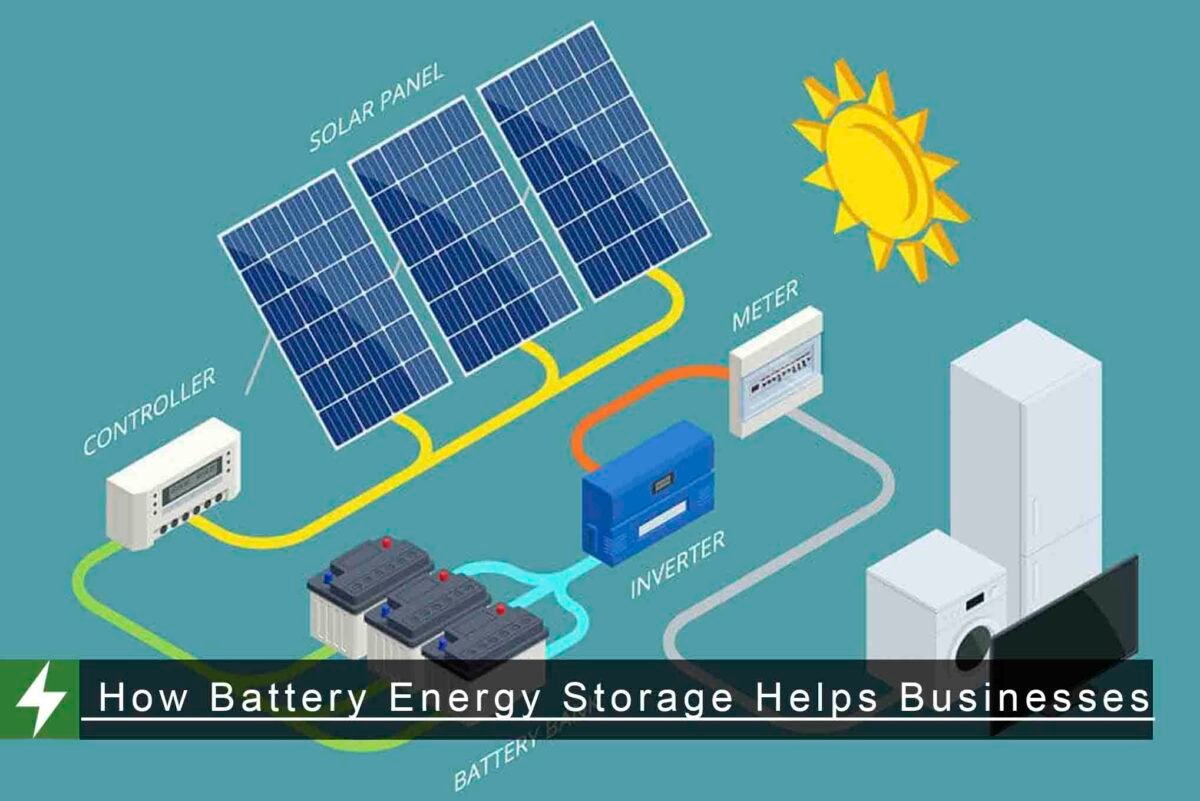
A Battery Energy Storage System, commonly known as BESS, is an integrated arrangement of batteries, power conversion equipment, control systems, and safety components designed to store and deliver electricity.
Unlike a standalone battery, a BESS includes the equipment and software required to manage how energy enters and leaves the system. Depending on its design, it can charge using solar generation, grid electricity, or other compatible power sources and discharge electricity to connected loads when required.
BESS installations range from relatively small systems used in buildings to large containerized installations supporting renewable energy projects and electricity networks.
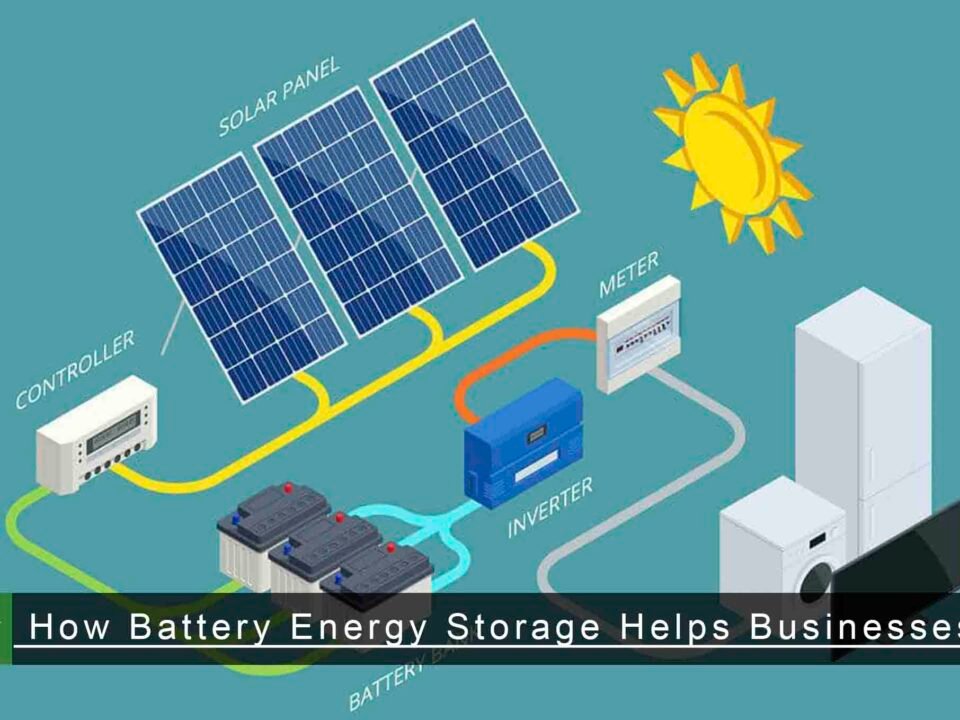
A typical system combines battery modules with a Battery Management System (BMS), a Power Conversion System (PCS), thermal management, electrical protection, and an Energy Management System (EMS).
The capacity and configuration of a BESS depend on the intended application, electricity demand, required backup duration, charging opportunities, and project economics.
How Does a BESS Work?
A Battery Energy Storage System generally operates through three main stages: charging, storing energy, and discharging.
1. Charging the Battery
During charging, the system receives electricity from a compatible source. This may include solar panels, wind generation, the electricity grid, or another suitable power source.
The charging equipment converts and regulates the electrical power as required by the battery system.
2. Storing Electrical Energy
The battery stores energy through electrochemical processes. The BMS monitors relevant parameters such as voltage, current, and temperature to help keep operation within specified limits.
The system may also track its state of charge, which indicates how much usable energy remains in the battery.
3. Delivering Electricity When Required
When electricity demand increases or renewable generation decreases, the system can discharge stored energy to connected equipment or the electrical network.
A suitable power conversion system converts the battery’s direct-current output into alternating current when required by the connected loads or grid interface.
This process enables electricity to be stored at one time and used at another, helping improve flexibility in energy management.
Key Components of a Battery Energy Storage System
A reliable BESS depends on several components working together.
Battery Cells and Modules
Battery cells are the basic electrochemical units that store energy. Multiple cells are connected to form modules and battery racks, which are then assembled to achieve the required system capacity and voltage.
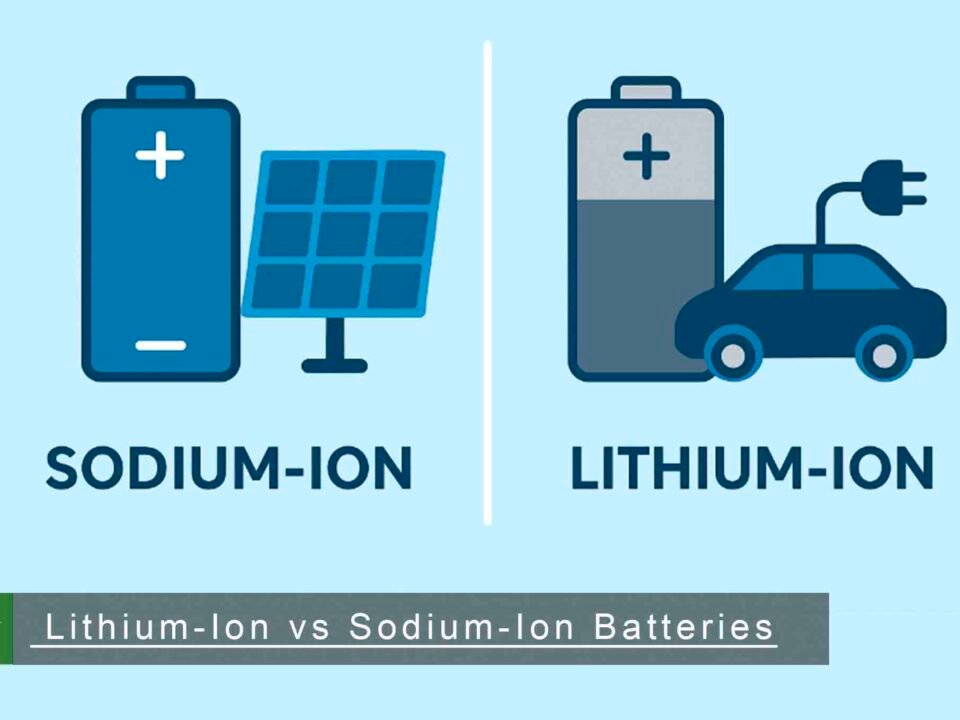
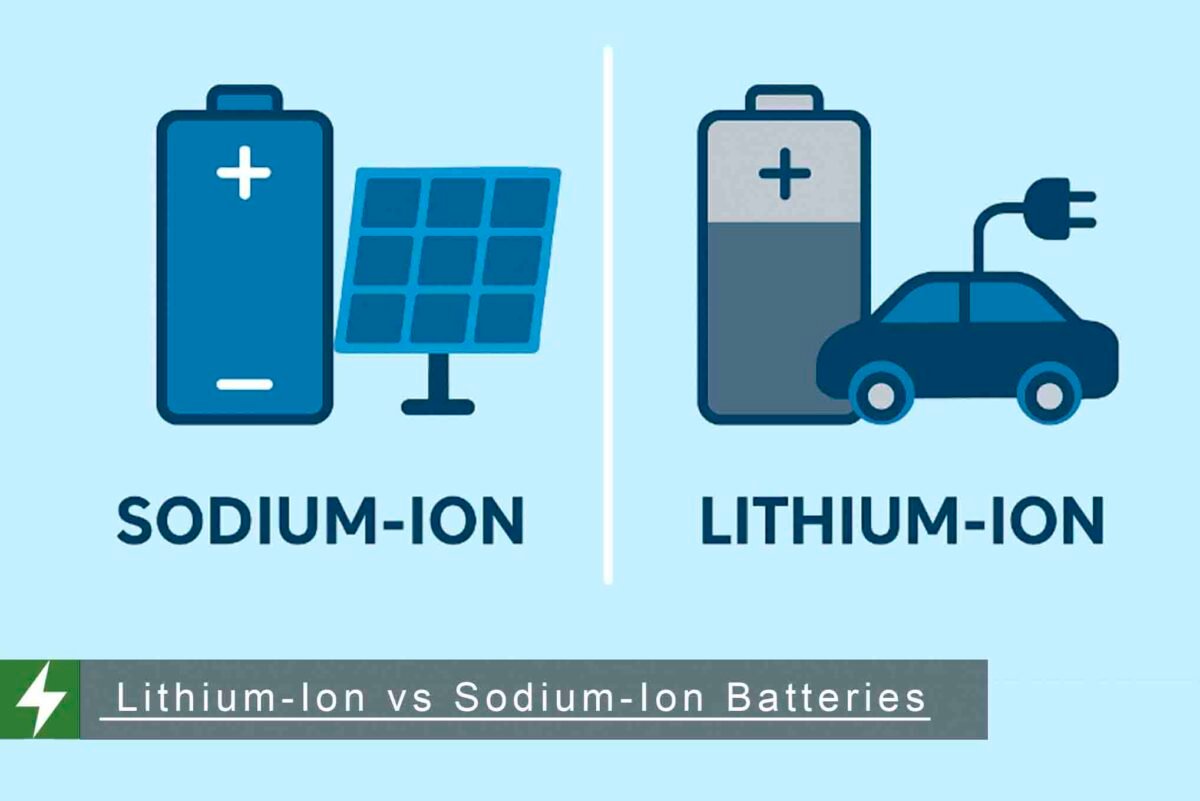
Lithium-ion batteries are widely used in modern BESS installations. Sodium-ion batteries and other storage technologies are also being developed or evaluated for selected applications.
Battery Management System (BMS)
The BMS monitors battery operating conditions and helps protect the cells against conditions such as excessive voltage, overcurrent, and unsuitable temperatures.
Depending on its capabilities, the BMS may also support cell balancing, state-of-charge estimation, and battery health monitoring.
Power Conversion System (PCS)
The PCS manages the flow of electrical power between the battery and the connected electrical system. It commonly includes bidirectional conversion capabilities, allowing the battery to charge from an appropriate AC source and discharge electricity back to the AC system.
Energy Management System (EMS)
The EMS coordinates system operation according to configured objectives, such as charging schedules, electricity demand, renewable generation, and grid requirements.
In advanced installations, it can work with monitoring platforms and control systems to optimize energy dispatch.
Thermal Management System
Battery temperature affects performance, service life, and safety. Depending on the chemistry and installation, thermal management may use air cooling, liquid cooling, or other suitable approaches to maintain appropriate operating conditions.
Safety and Protection Equipment
A BESS may include circuit breakers, fuses, isolation equipment, fire detection, emergency shutdown mechanisms, ventilation, and other protective systems appropriate to its size and application.
The complete installation must be designed and operated according to applicable safety requirements and relevant technical standards.
Types of Battery Energy Storage Systems
Different BESS configurations serve different energy requirements.
1. Residential Battery Storage
Residential systems can store electricity generated by rooftop solar panels or obtain energy from the grid when appropriate.
Depending on system configuration, stored electricity can support selected household loads during periods of low solar generation or grid interruptions.
2. Commercial and Industrial BESS
Businesses and industrial facilities may use battery storage to manage electricity demand, improve the utilization of onsite renewable generation, and support selected critical loads.
These systems require careful assessment of electrical demand, operating schedules, tariff structures, and backup requirements.
3. Utility-Scale Battery Storage
Large-scale BESS installations can support renewable energy projects and electricity networks. Depending on system design and market rules, they may provide services such as energy shifting, frequency response, and other forms of grid flexibility.
4. Solar-Plus-Storage Systems
These systems combine solar photovoltaic generation with battery storage. Surplus solar electricity can be stored during periods of generation and used later, subject to system capacity and operating settings.
5. Off-Grid and Microgrid Storage
Battery storage can support standalone power systems and microgrids by coordinating local electricity generation with demand. These installations may combine solar, batteries, backup generators, and energy controls.
Benefits of Battery Energy Storage Systems
BESS technology can provide several benefits when appropriately designed for the intended application.
Improved Renewable Energy Utilization: Battery storage can capture surplus renewable electricity and make it available when generation is lower.
Peak Demand Management: Businesses may be able to discharge stored electricity during periods of high demand, potentially reducing demand-related electricity costs where tariffs and operating conditions support it.
Backup Power Support: A properly configured system can supply designated loads during outages. Actual backup capability depends on system design, available battery charge, inverter capacity, and electrical configuration.
Greater Energy Flexibility: Storage separates the timing of electricity generation from its use, helping users manage changing energy requirements.
Grid Support: Suitable installations can provide certain grid services, subject to technical capability, interconnection requirements, and applicable regulations.
Integration with Renewable Energy: BESS can support solar, wind, and hybrid energy projects by helping manage variations in electricity generation.
Potential Operating Cost Benefits: Savings depend on electricity tariffs, system efficiency, battery degradation, financing costs, maintenance, and how effectively the battery is operated.
The benefits of a BESS should be assessed through a technical and financial feasibility study rather than assumed for every installation.
Applications of BESS Across Industries
Battery energy storage has applications across multiple sectors.
Solar Power Plants
Large solar installations can use battery storage to shift some generated electricity to later periods, subject to available capacity and project economics.
Manufacturing and Industrial Facilities
Factories and processing plants may evaluate storage for demand management, renewable energy integration, and support for selected electrical loads.
Data Centres and Digital Infrastructure
Battery systems can form part of a broader power continuity architecture. Critical facilities require carefully engineered solutions that account for redundancy, response time, backup duration, and other reliability requirements.
Electric Vehicle Charging Stations
Battery storage can help manage power demand at selected EV charging sites, especially where charging demand is concentrated or grid capacity is constrained. The business case depends on charging patterns, electricity tariffs, and battery costs.
Commercial Buildings
Offices, warehouses, shopping centres, and other commercial properties may evaluate BESS for solar integration, demand management, and designated backup applications.
Remote and Rural Installations
Battery storage can help balance local generation and consumption in suitable remote power systems, including installations using solar energy.
Which Battery Technology Is Used in BESS?
The choice of battery chemistry influences cost, energy density, cycle life, thermal behaviour, and system design.
Lithium-Ion Batteries
Lithium-ion batteries are widely used because they offer a combination of efficiency, energy density, and established commercial availability.
Lithium Iron Phosphate (LFP) is commonly used in stationary storage because of its cycle-life characteristics and thermal stability relative to some other lithium-ion chemistries. Appropriate engineering and protection remain essential.
Sodium-Ion Batteries
Sodium-ion batteries use sodium ions instead of lithium ions to store and release energy. They are an emerging option that may offer advantages in material availability and selected applications.
Their suitability for BESS depends on commercial availability, energy density, operating characteristics, lifecycle performance, and total system cost.
Other Energy Storage Technologies
Depending on the application, other battery chemistries and non-battery storage technologies may also be considered. The most suitable option depends on required storage duration, response time, site conditions, and economic objectives.
How to Choose the Right BESS Capacity
Choosing the appropriate battery size is an important part of project planning. A system that is too small may not meet the required energy demand, while an oversized system can increase capital expenditure without providing sufficient additional value.
The following factors should be evaluated:
- Energy Capacity (kWh or MWh): The amount of energy the battery can store.
- Power Rating (kW or MW): The rate at which the system can deliver or absorb electricity.
- Backup Duration: How long the battery must support the intended loads.
- Daily Energy Consumption: The electricity demand profile of the facility.
- Charging Source: Whether the battery charges from solar, the grid, or another source.
- Round-Trip Efficiency: The proportion of charging energy that can be recovered during discharge.
- Depth of Discharge: The usable portion of the battery’s capacity under the specified operating strategy.
- Operating Life: Expected degradation, cycling patterns, warranty, and replacement requirements.
- Site and Safety Requirements: Space, environmental conditions, ventilation, electrical protection, and applicable approvals.
For example, a facility requiring 100 kW of power for two hours would need 200 kWh of delivered energy before accounting for conversion losses, reserve capacity, and operating limits. The actual battery capacity would therefore need to be sized accordingly.
A professional feasibility assessment should examine the complete load profile and expected operating strategy before a system is selected.
Is BESS a Good Investment for Businesses?
A Battery Energy Storage System can be a valuable investment in the right circumstances, but its financial performance depends on the project’s specific conditions.
Potential value streams include reducing peak demand charges, increasing onsite solar consumption, shifting electricity purchases to lower-cost periods, and providing selected backup capabilities.
The financial assessment should include the initial cost of batteries and supporting equipment, installation, financing, maintenance, degradation, replacement, energy losses, and any applicable grid or tariff requirements.
Useful evaluation measures include payback period, net present value (NPV), internal rate of return (IRR), and lifecycle cost.
Businesses should also consider whether the battery can generate sufficient value across its operating life and whether its intended use is compatible with the applicable electricity rules and site requirements.
Safety and Maintenance of BESS
Safety must be incorporated into every stage of BESS development, from equipment selection and installation to operation and end-of-life management.
Key considerations include suitable battery chemistry, verified equipment quality, electrical protection, temperature monitoring, emergency isolation, fire detection and mitigation, and compliance with relevant standards.
Maintenance requirements vary by technology and installation. Routine activities may include inspecting connections and enclosures, reviewing system alarms, checking cooling equipment, verifying protection functions, and analysing battery performance data.
Only qualified personnel should perform work that involves electrical hazards or battery system components. Maintenance schedules should follow manufacturer guidance and applicable regulations.
The Future of BESS in India
India’s expanding renewable energy capacity and increasing electricity demand create opportunities for flexible energy storage. Battery systems can help integrate variable renewable generation, support selected grid services, and improve energy management for commercial and industrial users.
As battery manufacturing, power electronics, control systems, and energy management technologies continue to develop, the potential applications of BESS are expected to broaden.
Project economics, supply-chain maturity, safety, interconnection requirements, and regulatory frameworks will remain important factors in determining where battery storage is most suitable.
For businesses and project developers, understanding these factors is essential to identifying practical energy storage opportunities.
108ENERGY: Exploring Integrated Energy Storage Solutions
At 108ENERGY, a brand of 108 Elements Research Pvt. Ltd., we focus on the evolving relationship between renewable energy, battery storage, electric mobility, and intelligent power management.
Our wider energy vision includes solar energy solutions, Battery Energy Storage Systems, lithium-ion battery technologies, sodium-ion battery developments, EV charging infrastructure, and integrated energy systems.
We aim to support awareness and exploration of energy technologies that can help businesses and project developers make informed decisions about future power requirements.
Through technology-focused thinking and an application-oriented approach, we seek to contribute to the development of a cleaner, more flexible, and more resilient energy ecosystem.